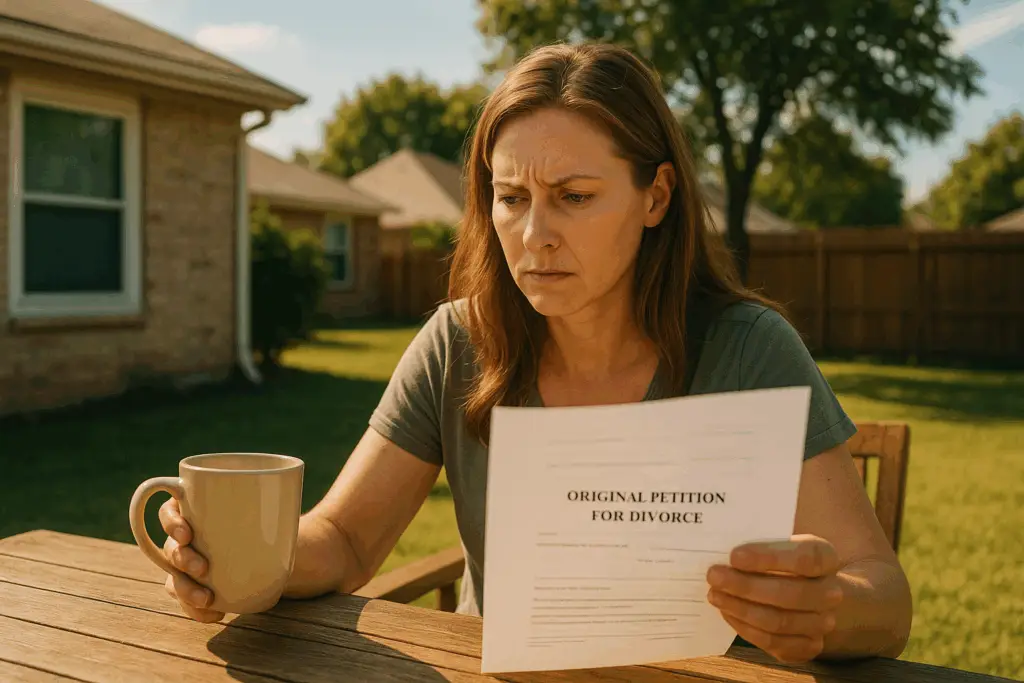
Understanding Jurisdiction in Texas Divorce Cases
Jurisdiction refers to the authority of a court to hear and decide a case. In Texas, determining which court has jurisdiction in a divorce case is crucial, as it affects where the divorce proceedings will take place and which laws will apply. Generally, a Texas divorce court maintains jurisdiction if at least one spouse has been a resident of Texas for the preceding six months and the county of filing for at least 90 days.
For example, if one spouse files for divorce in Texas while the other spouse resides in a different state, the Texas court may still have jurisdiction if the filing spouse meets the residency requirements. Understanding these jurisdictional rules can significantly impact the outcome of divorce proceedings, including issues related to asset division, child custody, and support.
Common Jurisdictional Challenges in Texas Divorces
Jurisdictional challenges often arise in divorce cases, particularly when there are disputes over which state has the authority to rule on the matter. Such challenges can complicate the divorce process and lead to delays. Common issues include conflicting residency claims or the presence of children in multiple jurisdictions.
For instance, if children reside in Texas with one parent, but the other parent files for divorce in a different state, the court in Texas may need to intervene to establish jurisdiction over custody matters. Addressing these challenges promptly is essential to avoid prolonged legal battles and ensure that the divorce proceedings proceed smoothly.
The Role of Temporary Orders in Jurisdictional Issues
Temporary orders can play a critical role in divorce cases where jurisdiction is contested. These orders allow the court to make immediate decisions regarding child custody, visitation, and support while the divorce case is ongoing. They are particularly important when there is uncertainty about which court has jurisdiction.
For example, if a spouse files for divorce in Texas while the other spouse lives out of state, the Texas court may issue temporary orders to protect the interests of any children involved. This ensures that the children's welfare is prioritized while jurisdictional issues are resolved, providing a framework for both parents to follow during the divorce process.
How to Challenge Jurisdiction in a Texas Divorce
Challenging jurisdiction in a Texas divorce requires a clear understanding of the legal grounds for such a challenge. A party may contest the court's jurisdiction by filing a motion to dismiss or a special appearance, which asserts that the court lacks the authority to hear the case based on specific legal criteria.
For instance, if one spouse believes that the other does not meet the residency requirements, they can present evidence to support their claim. This process can be complex, and it is advisable to seek legal counsel to navigate the intricacies of jurisdictional challenges effectively, ensuring that one's rights are protected throughout the divorce proceedings.
 Skip to content