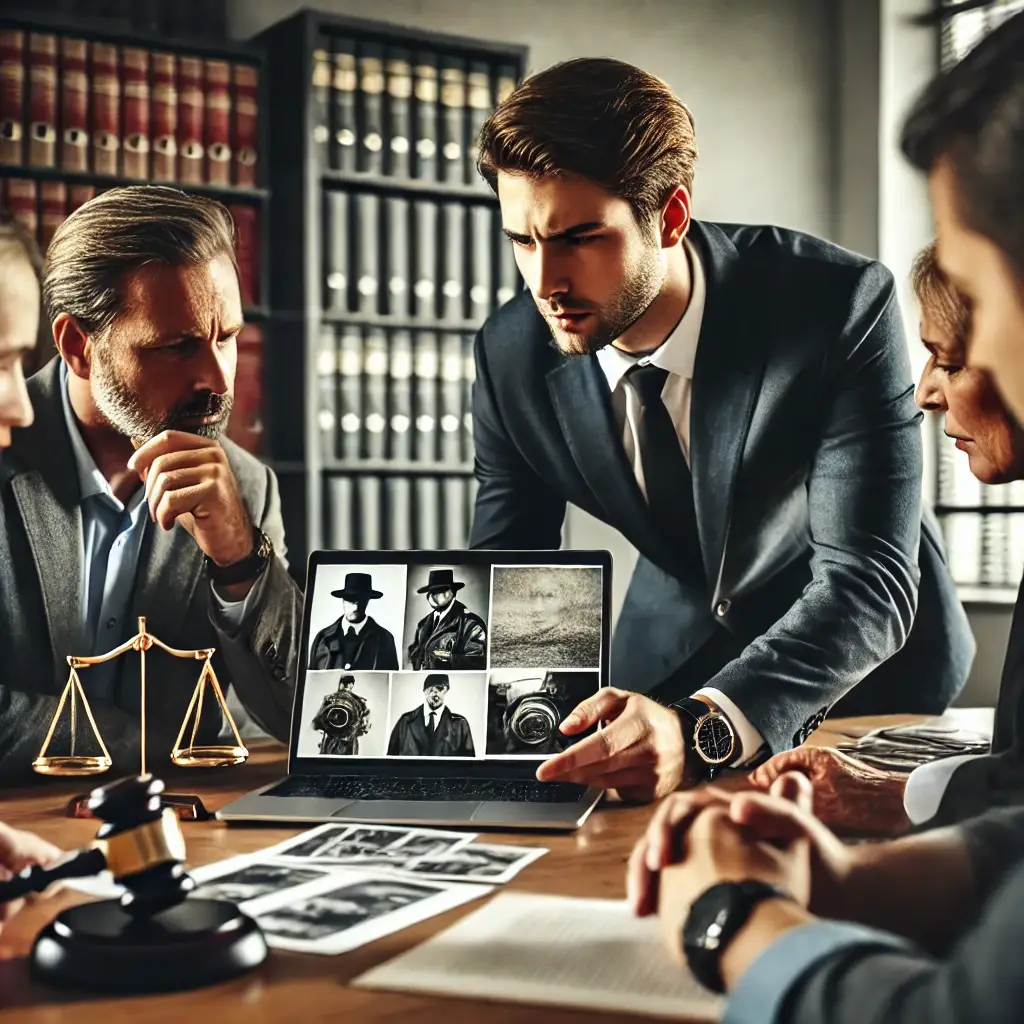
Understanding the Importance of Evidence in Divorce Cases
In divorce proceedings, evidence can significantly impact the outcome, especially in cases involving infidelity or child custody disputes. Private investigators can provide crucial documentation that may influence the court's decisions, making it essential for individuals to understand the types of evidence that can be gathered.
Examples of evidence collected by private investigators include photographs, videos, and detailed reports of the subject's activities. This information can substantiate claims of infidelity or demonstrate unfit parenting, providing a stronger case for the party seeking custody or divorce settlements.
When to Consider Hiring a Private Investigator
Deciding when to hire a private investigator during a divorce can be challenging. Individuals should consider this option when they have strong suspicions of infidelity, concerns about asset hiding, or when child custody is at stake. Understanding the right timing can help in gathering the necessary evidence before proceeding with legal action.
For instance, if there are indications of a spouse's extramarital activities, hiring a PI early in the divorce process can ensure that evidence is collected promptly, which may be critical in court. Additionally, early intervention can prevent further emotional distress and financial losses that may arise from prolonged suspicion.
Common Misconceptions About Private Investigators
Many people hold misconceptions about the role and capabilities of private investigators in divorce cases. One common myth is that PIs are only necessary for extreme cases of infidelity, while in reality, they can assist in various situations, including asset investigations and background checks.
Understanding the full scope of a private investigator's services can help individuals make informed decisions. For example, PIs can also help locate hidden assets, verify employment, and provide surveillance for child custody cases, making them a valuable resource in many divorce scenarios.
Legal Protections and Rights When Hiring a Private Investigator
When hiring a private investigator, it's crucial to understand the legal protections and rights involved in the process. Clients should be aware of the laws governing surveillance and privacy to ensure that the evidence collected is admissible in court.
For example, while private investigators are allowed to conduct surveillance in public spaces, they must adhere to strict legal guidelines regarding privacy. Being informed about these regulations can help clients avoid potential legal repercussions and ensure the integrity of the evidence gathered.
 Skip to content