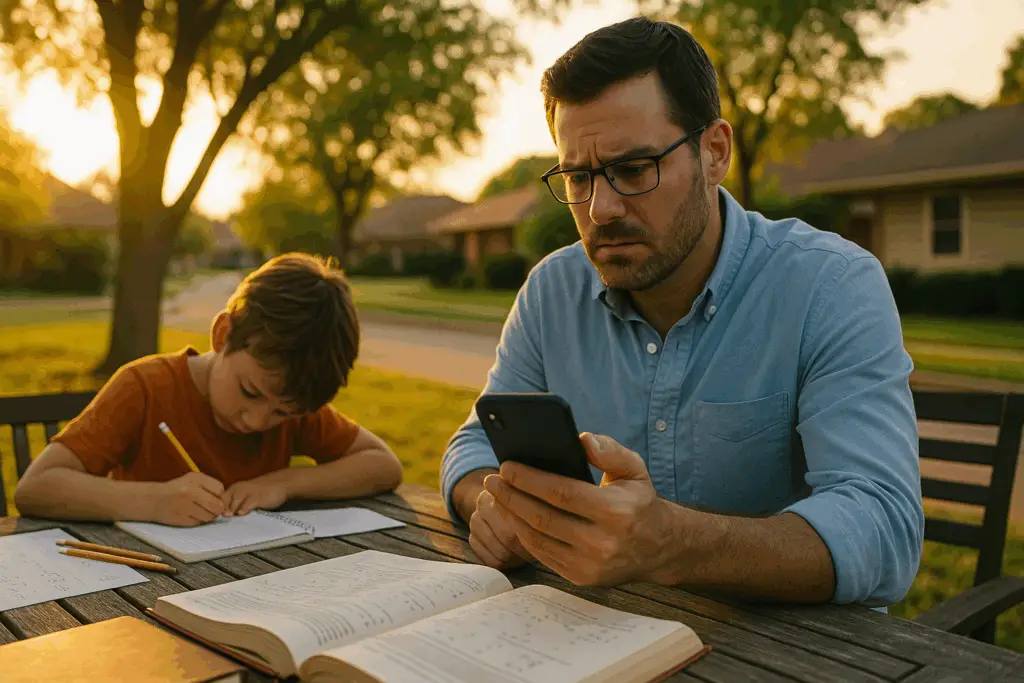
Understanding the Emotional Impact of Divorce on Children
Divorce can have profound emotional effects on children, often leading to feelings of confusion, sadness, and anxiety. As parents navigate their separation, it is crucial to recognize how these emotions can manifest in children's behavior and academic performance.
Research indicates that children may experience a decline in academic achievement following their parents' divorce, as they struggle to cope with the changes in their family dynamics. Providing emotional support and stability during this time can help mitigate these effects and foster resilience in children.
Strategies for Supporting Children's Education During Divorce
Supporting a child's education during a divorce requires proactive strategies that prioritize their academic needs and emotional well-being. Parents should maintain open lines of communication with teachers and school counselors to ensure that their child receives the necessary support.
Incorporating routines, such as consistent homework schedules and regular check-ins, can help children feel secure and focused on their studies. Additionally, parents can collaborate on educational goals to reinforce a sense of normalcy and stability amidst the changes in their family life.
Legal Considerations for Custody and Education Decisions
When a divorce involves children, legal considerations regarding custody and education become paramount. Parents must understand their rights and responsibilities, especially in relation to making decisions about their child's schooling and educational needs.
In Texas, the courts emphasize the child's best interests, which includes their educational stability. Parents should be aware of how custody arrangements can impact their child's schooling and work together to minimize disruptions during this transition.
Resources for Parents Navigating Divorce and Education Issues
Numerous resources are available to assist parents as they navigate the challenges of divorce and its impact on children's education. Support groups, counseling services, and educational workshops can provide valuable guidance and community for affected families.
Additionally, organizations focused on family law and child psychology often offer informational materials and referrals to professionals who specialize in helping children cope with divorce. Utilizing these resources can empower parents to make informed decisions that benefit their children's educational journey.
 Skip to content